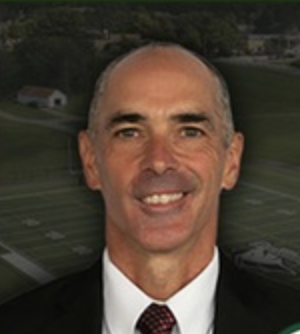
 by Greg Carroll, Tudor Collegiate Strategies
Whether connected to the foods we choose to eat, the amount of exercise we do, the number of hours we sleep, or any other feature of our lifestyle, we generally know what we’re supposed to do. Yet, we are creatures of habit and we build routines. Sometimes they’re built around behaviors that brought success previously, sometimes they are simply matters of convenience, and other times they may be the result of the necessity that moment demands.
I think everyone would agree that a fixed routine is fine – until it isn’t. The tell tale sign that the routine we’ve been relying on needs shaking up is when we realize it’s no longer getting the results it used to. If we step on the scales and see we’ve gained 10 pounds and can no longer knock off the morning three miler without walking, that’s the “Houston, we have a problem” moment.
Many coaches are getting ready to close the books on their class of 2021 recruits and getting ready to launch into their 2022’s if they have not already done so. Most of the coaches I talk to on a regular basis can easily describe in general terms whether they’re pleased or wish they’d gotten this player or that player. Few coaches however are really able to put a number on their class. Rare is the coach who can give a quantified score which will inform them about where they improved and by how much they’ve improved.
2020 was a year unlike any we have ever seen before on all levels, including recruiting. Coaches were forced to identify prospects differently, engage them in new ways, familiarize their programs and schools to recruits and their families without the benefit of campus visits. Arguably there has never been a year where it was more important to take a critical look at what worked and what didn’t because certain aspects of recruiting in 2020 that were a necessity will absolutely become an expectation in the years ahead.
When I was an athletic director I was involved with assessment of all kinds. There was the regular Middle State Assessment experiences, course evaluation, periodic review of degree programs, staff evaluations, etc. Yet, when I used the word “assessment” with my coaches you’d think I was trying to steal their dog or cat. I discovered that reluctance to critically assess was holding many of my coaches back and I wonder how many other coaches are in the same position. Here are few things to consider as you “assess” this proposal.
- Quantifying your incoming class simply requires the identification of those skills you consider absolutely essential for success at that position and scoring your current players against what your recruiting class brings to the table (building in consideration for development over their career). If you can’t put a number on that you never really know how you have progressed or fallen behind – until it’s too late. In terms of actual recruiting strategies this is the perfect time to look critically at how effectively you used the resources at your disposal (as unique as they may have been this year!)
- At the risk of disclosing something you might not want to hear, virtual recruiting is now here to stay. What was born out of necessity will be an expectation for both recruit and his or her family. The days of visiting eight or ten campuses have passed. Knowing what is now possible, families will be deciding which of those campuses will make the final cut by how they experience you virtually. Over the past year I worked with many coaches who took this new challenge as an opportunity to be creative by drawing in alumni, department representatives, parents of current players and obviously their current athletes. I was shocked when I would be talking to a coach who had not involved the younger members of their team in Zoom sessions with recruits. That experience remains essential for recruiting success. Your prospects need to connect with your athletes. If you still feel uncomfortable in the virtual space the best suggestion I can offer is to watch podcasts where the moderator very good. Any of the sessions Dan Tudor has done is a great place to start!
- It’s all about your messaging!!! More so than in years past the current climate requires you to be more engaged with your messaging. Why? Because they have more time than ever before and they’re waiting to hear from you every 6-9 days. And if your message on those days is “Hi, this is coach and I’m just checking in to see how you’re doing” that’s not going to work out. You need to communicate in meaningful ways so they know you are making an investment in them. They need to know you, your program, your school, your athletic community, Even more importantly you need to know THEM. For the past year I’ve been preaching nonstop, sell less and ask more. Coaches must turn their attention to finding out everything they can about their recruits and their families because choosing the college is a relationship transaction and you need to tell the story of your program that is meaningful to them. You won’t know what’s important to them until you get to know them. That requires asking a lot of questions.
- Do you eat pizza every night? I love pizza but I don’t eat it every night. In the same way, recruits may love your texts but they also want you phone calls, your emails, and yes, your letters. Each plays a unique role in the recruiting process and if you tied to only one platform you’re missing about a third or more opportunities to engage your recruit.
- Did you lose a recruit to some other program because you waited too long? Or are you still waiting to ask for that commitment until you’re almost positive it will be a yes? Each of these questions goes back to a huge piece of TCS recruiting strategy connected to having a timeline tied to a detailed recruiting process which includes specific events along the way. Having that timeline establishes control for you, promotes organization of your effort, and saves you from filling your class with the leftovers. If you think your school is a perennial fall back choice it will be. Convince yourself that your program has every right to compete for the recruits you want. And then structure your process/timeline to be in the game when the decisions are being made.
- Are you afraid to change? The events of the last several months have required us to change. Tragically, some were unable to change even social habits and became ill or worse brought illness to their loved ones. Staying the course with regard to recruiting simply isn’t an option if you want to be successful. Put aside whatever fears you may have had this past year about this new normal and grow into this new paradigm for recruiting. You can do it!
- Are you using your skills and those of your staff to their best advantage? I was working with a coach recently and he shared with me that he’s really good at closing the deal with a recruit and his/her family but in terms of establishing that initial enthusiastic rapport his assistant is REALLY good at that part so that’s how they work. Be realistic about where your skills lie and use those around you (or hire for them) to cover any deficits you see. They are only deficiencies if you don’t recognize them.
- Are you making an investment in getting better at recruiting? If you’re reading this chances are yeah, you are engaged with professional development in this area. But if others on your staff who you rely to support your recruiting aren’t you may want to direct them to the Tudor Collegiate Strategies website! We tell our athletes if they’re not working to improve they’re falling behind, and the same is true with us as coaches and recruiters. There are a lot of really terrific free and low-cost resources available to become better recruiters that are readily available, and our organization is dedicated to providing next-level tools to help coaching staffs succeed at their most challenging job as a college coach.
Greg Carroll is part of the team of consultants at Tudor Collegiate Strategies that work with coaching staffs around the country to help formulate their recruiting strategy and messaging, leading to better results. To find out more about how we do that, click here.